Notes
Caught My Eye: Crushing the Press, Chinese Speed, Tulsi’s Tricks, Epstein’s Trail
A quick read on images of motion, spectacle, and selective seeing shaping the latest politics.
By Michael Shaw
Crushing the Press
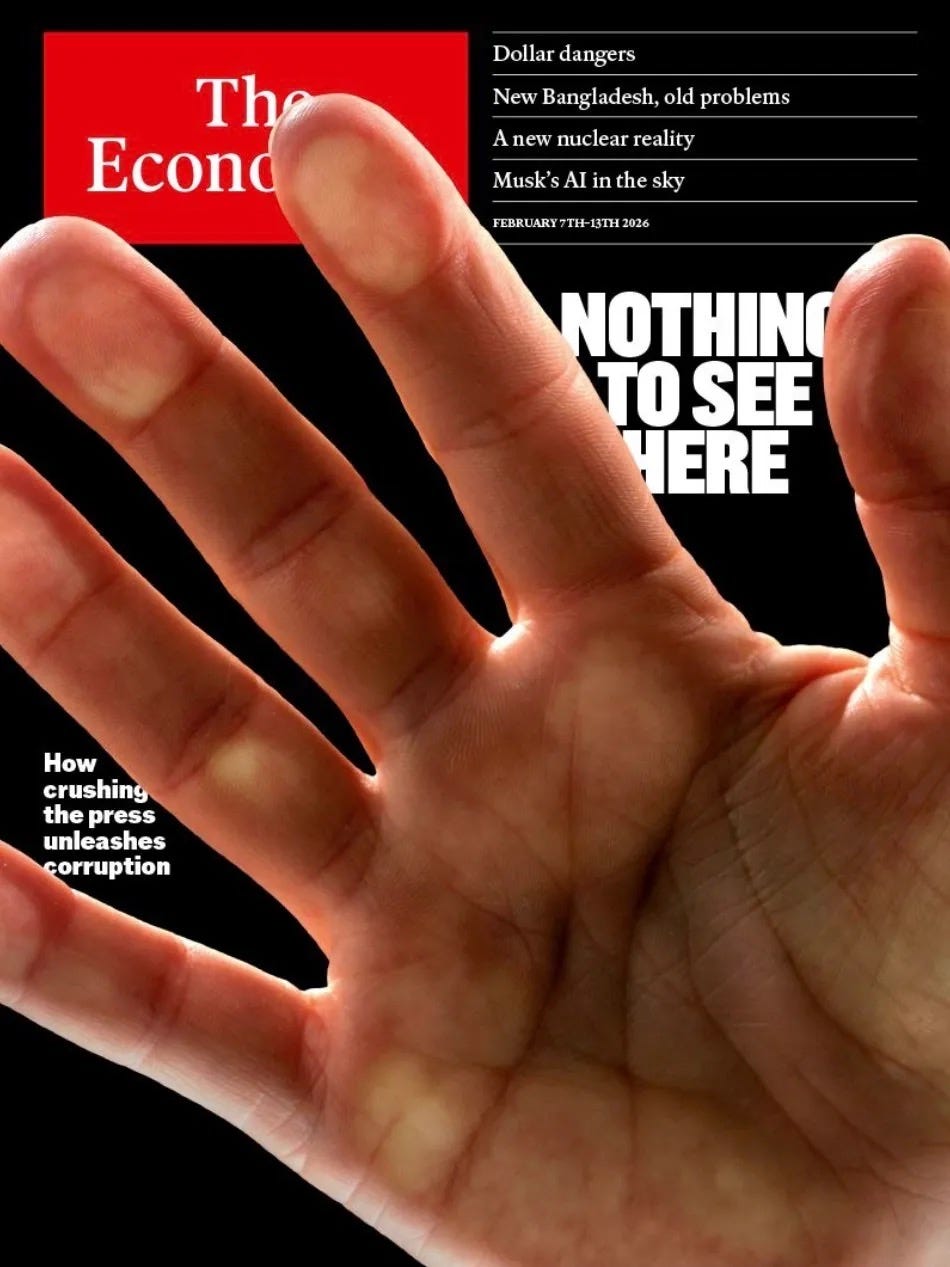
Press freedom is in retreat worldwide. The Economist. Design: SMLXL Co. Photo: Getty Images. Via Coverjunkie Week’s Top 10
The Economist’s cover turns that abstraction into contact: a hand not just on but bearing down on the camera, but each fingertip a pressure point you can almost feel. The hand sits between us and whatever the lens might see, a neat stand‑in for the way power now treats journalism—as something to smother, not to answer.
And in a week when the Washington Post took a hacksaw to the newsroom, including the entire Pulitzer-prize-winning photography department, the image doubles as a grim business plan. If you can’t quite kill the press, you can starve the pictures.
Gotcha
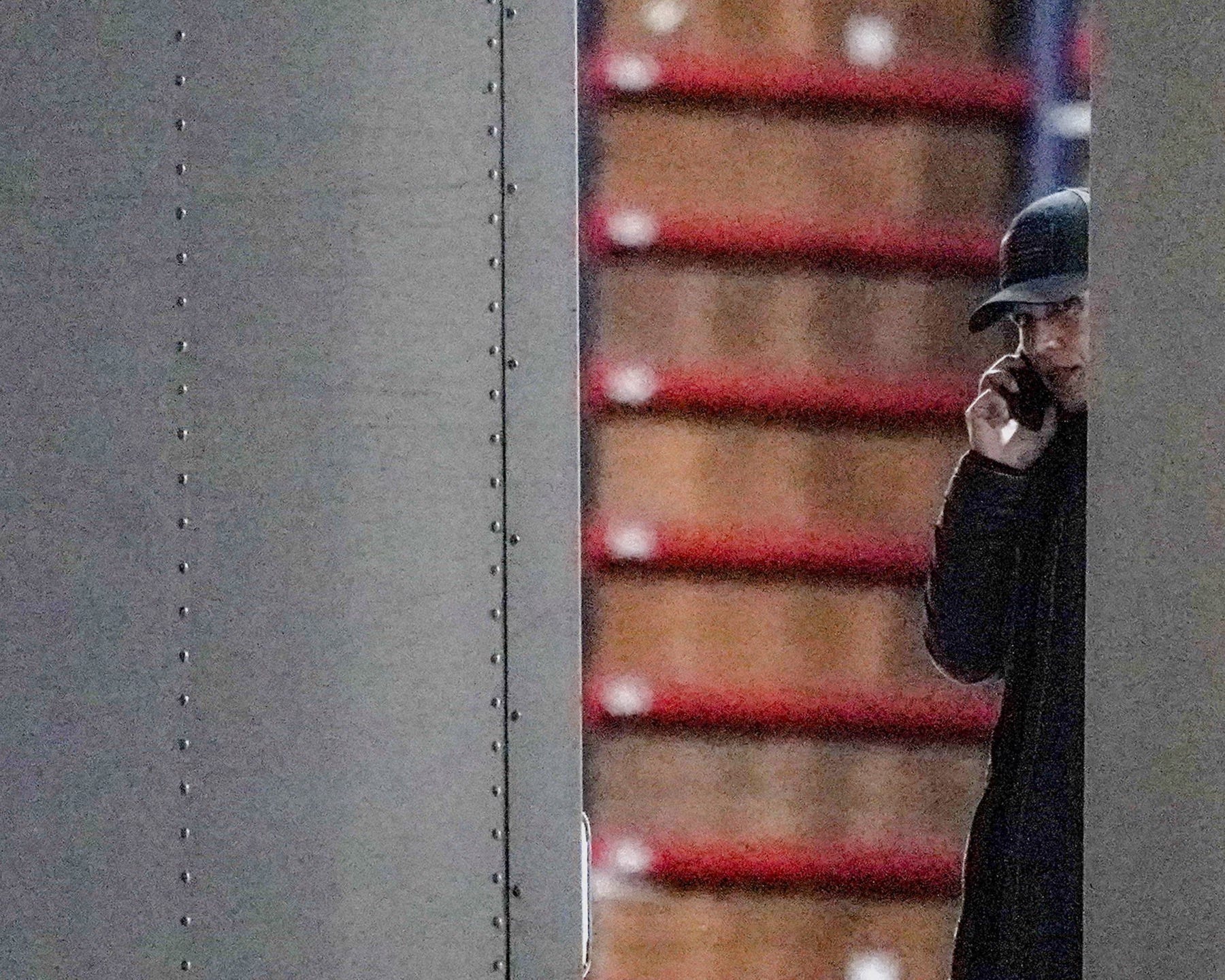
Tulsi Gabbard at an election operation center after the FBI executed a search warrant there, in Union City, Georgia, on January 28. Photo: Elijah Nouvelage/Reuters
Tulsi Gabbard stands in Fulton County’s election hub as Director of National Intelligence, turning up at an FBI search of a county election office tied to Trump’s long‑debunked 2020 fraud claims—a presence that blurs the line between her actual job, which is foreign spycraft, and local election policing in the name of chasing yet more phantom fraud. It’s an extraordinary show of top‑down muscle in a place that’s already been ground zero for efforts to discredit the vote.
The picture itself is fittingly grainy and low‑lit, with Gabbard dressed in black and half-swallowed by sheet metal, like a confederate lookout caught on a surveillance camera. The image feels like the boiler room where misdeeds get routed and laundered, with Gabbard as Trump’s war‑on‑democracy Rosie the Riveter.
Epstein Fallout: Horse of a Different Color
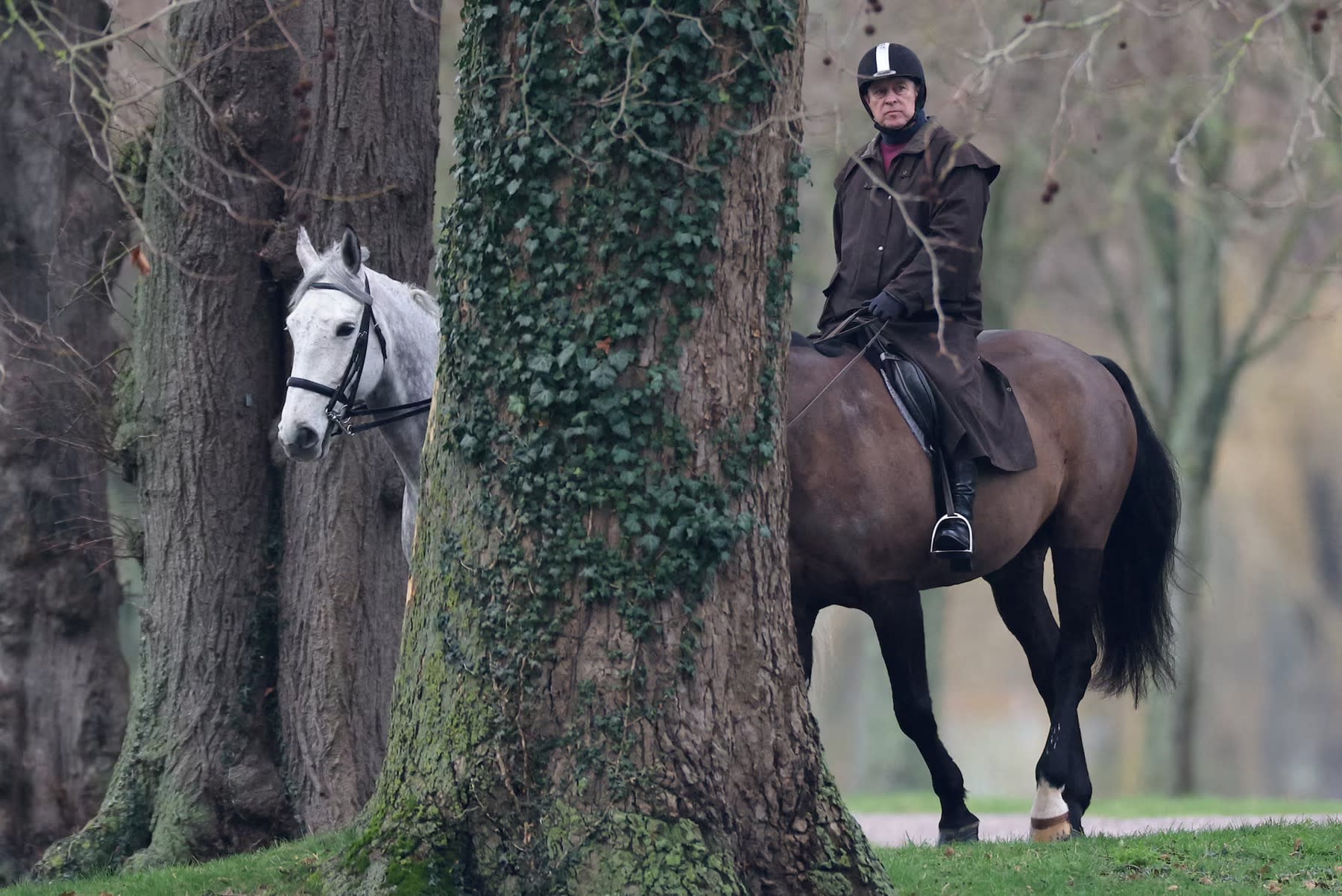
Andrew Mountbatten-Windsor rides a horse in Windsor Great Park, near Royal Lodge, where the former prince lived until this week. British police are to review fresh allegations that Jeffrey Epstein provided Mountbatten-Windsor with a woman to have sex with at Royal Lodge in 2010. Photo: Toby Melville/Reuters
“Back in the saddle,” yes—but also on the most impossible horse you’ve ever seen.
For a split second, the tree splices the two animals into one creature, a dark, compact body with a pale, accordion‑like neck stretching out from behind the trunk. That visual glitch becomes a deadpan metaphor for Andrew’s split existence: the solid, recognizable shell of the country gentleman plodding on in Windsor Great Park, and a second, ghostlier self jutting in from the margins just as new Epstein files re‑locate him having his way with young girls at the nearby Royal Lodge.
Domestic Terror
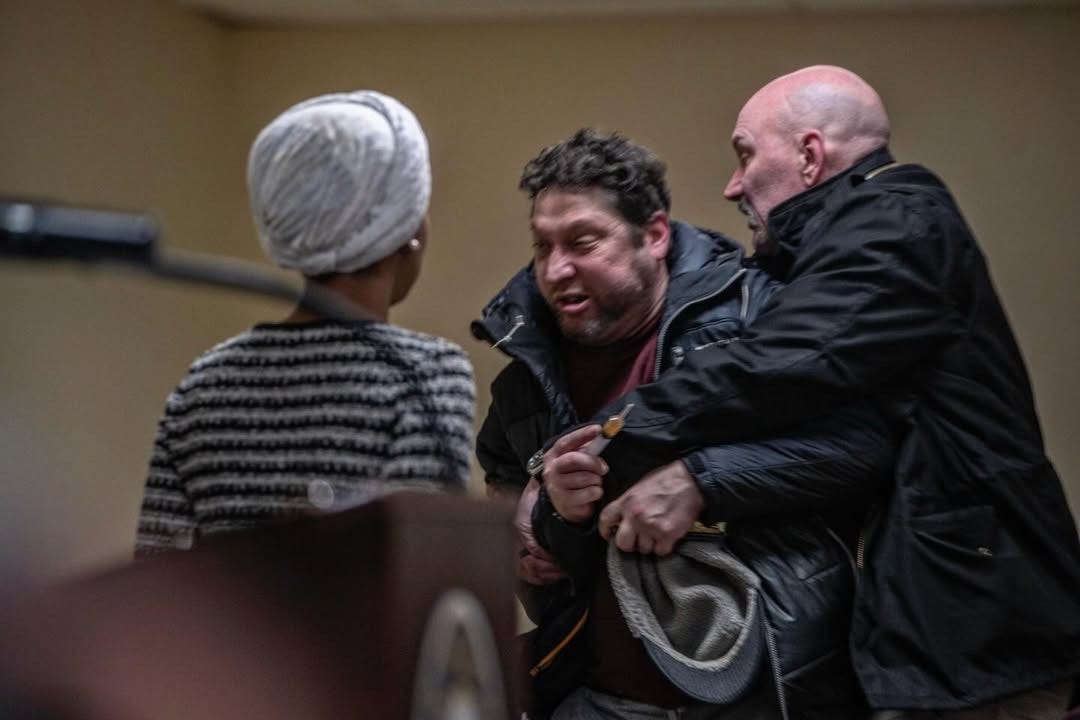
A man is tackled after spraying an unknown substance at US Rep. Ilhan Omar during a Minneapolis town hall on January 27. Omar was unharmed and continued the event despite the attack. Photo: Victor Blue for The New York Times
A man lunges at Ilhan Omar with a syringe, his face twisted like a Goya figure, and the shot freezes the whole chain of custody of American political violence in mid‑air. The syringe becomes a weapon, Omar’s body the target, and the crowd’s shock the atmosphere that now attends a routine town hall. Trump’s response—that she “probably had herself sprayed”—folds the attack into his ongoing loyalty test, where a congresswoman under physical assault is less a victim than a prop in the performance of grievance.
The Erasures
One war clears land, the other kills the lights, and in both Gaza and Ukraine, whole populations are treated as expendable infrastructure—something to be emptied, darkened, and written off when the plans are done.
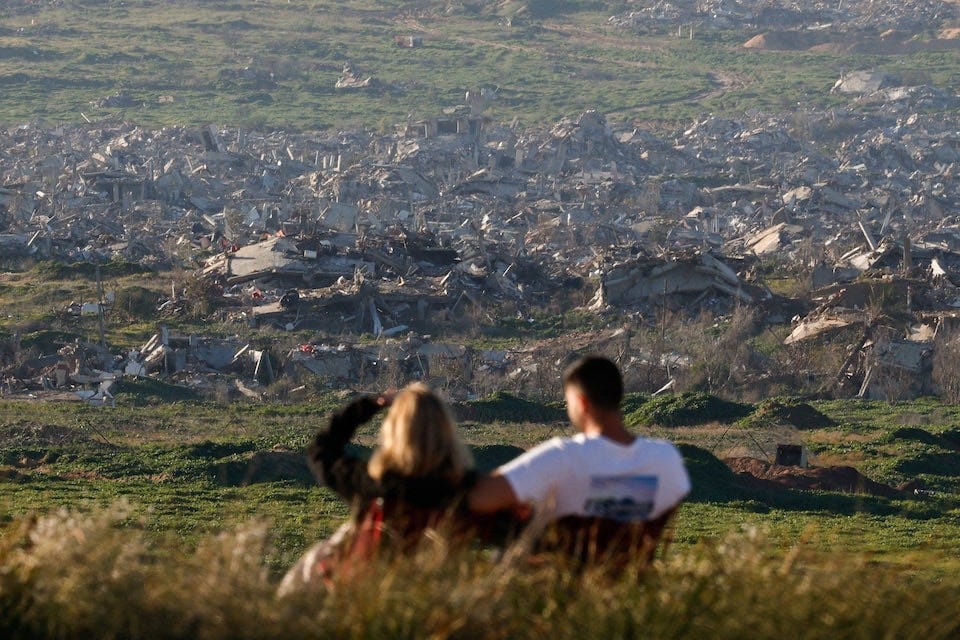
Israelis sitting near the Israeli side of the Israel-Gaza border look at rubble from destroyed buildings in Gaza, in Israel, February 4. Photo: REUTERS/Amir Cohen
On the Israel‑Gaza border, Israelis sit on plastic chairs and look out over the pulverized strip as if it were just a recently demolished construction site. In the American plan for Gaza, drafted by real‑estate moguls Trump, Witkoff, and Kushner, this is less horror than the “before” image for a future sales deck.
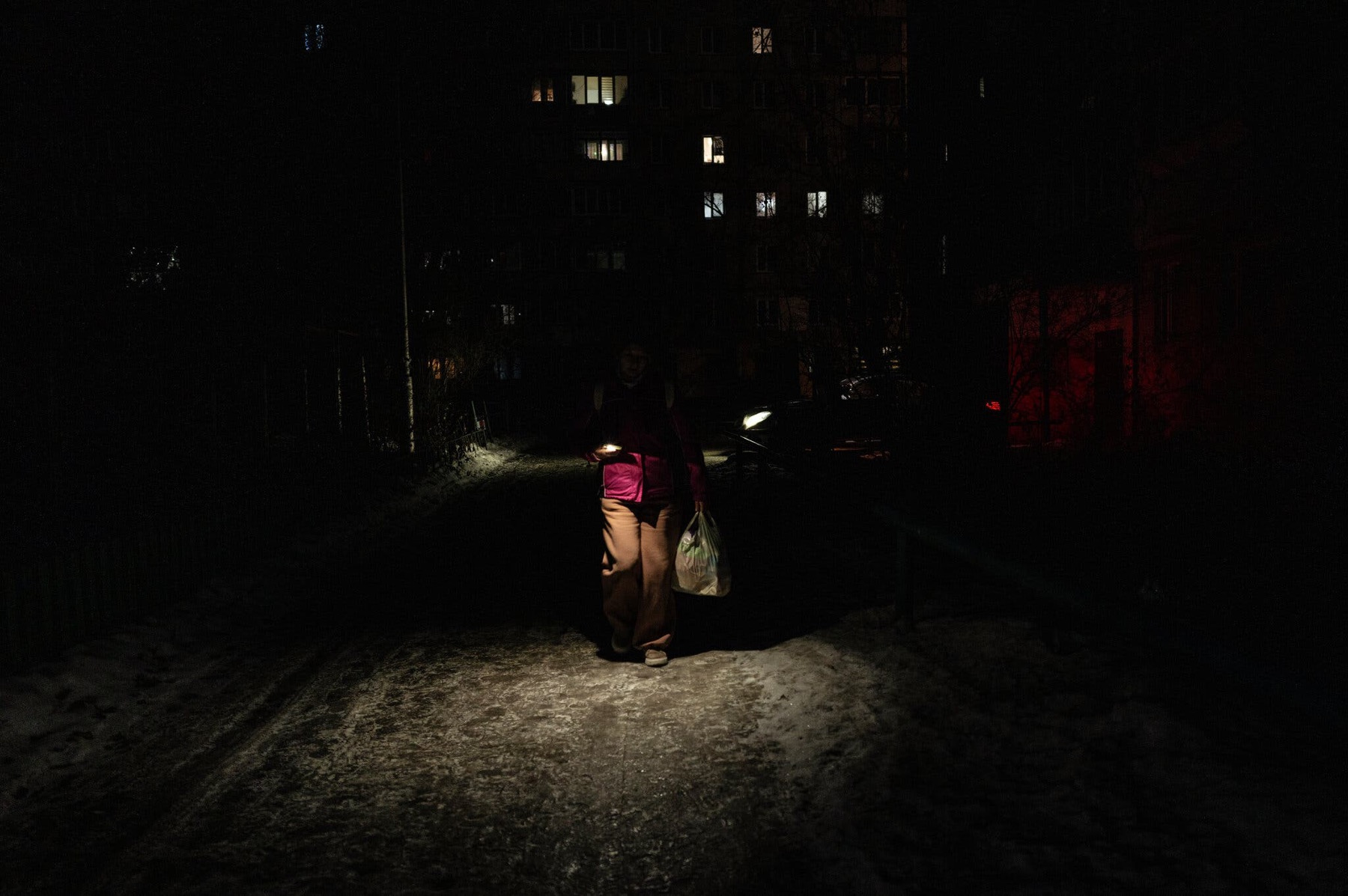
A lone figure in a headlamp picks through a blacked‑out street in Kyiv. Putin has spent two winters bombing not just apartments but the power grid, trying to freeze Ukraine into submission. Photo: Lynsey Addario for The New York Times
In Kyiv, a lone figure in a headlamp picks through a blacked‑out street while Russia bombs not just homes but the grid, trying to freeze Ukraine into submission. As Trump flatters Putin and patronizes Zelensky, the country’s prospects feel as anonymous and dim as the photo’s silhouette.
Cleaning our Clocks
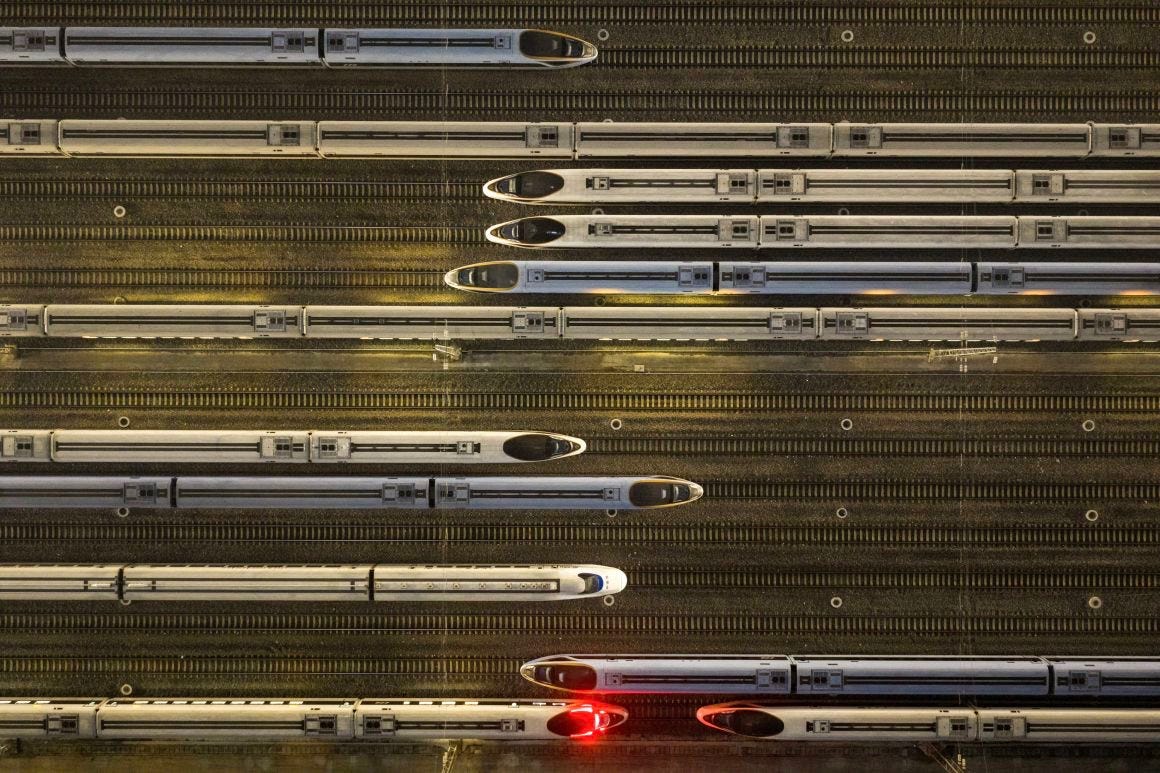
High-speed trains are seen at a train station in this aerial photo taken in Nanjing, China, on Monday, February 2. It was the first day of the annual Spring Festival travel period. Photo: Stringer/AFP/Getty Images
From above, the high‑speed rail cars in Nanjing line up like a bar graph of the future, each track a measure of how fast China is building while we stall out. Look a beat longer, and you start to see the rest of the ledger—A.I. labs, E.V. plants, battery factories—columns where they’re cleaning our clock while Trump can’t get off the tariff train.
Politics of Sport
Big Brush With History
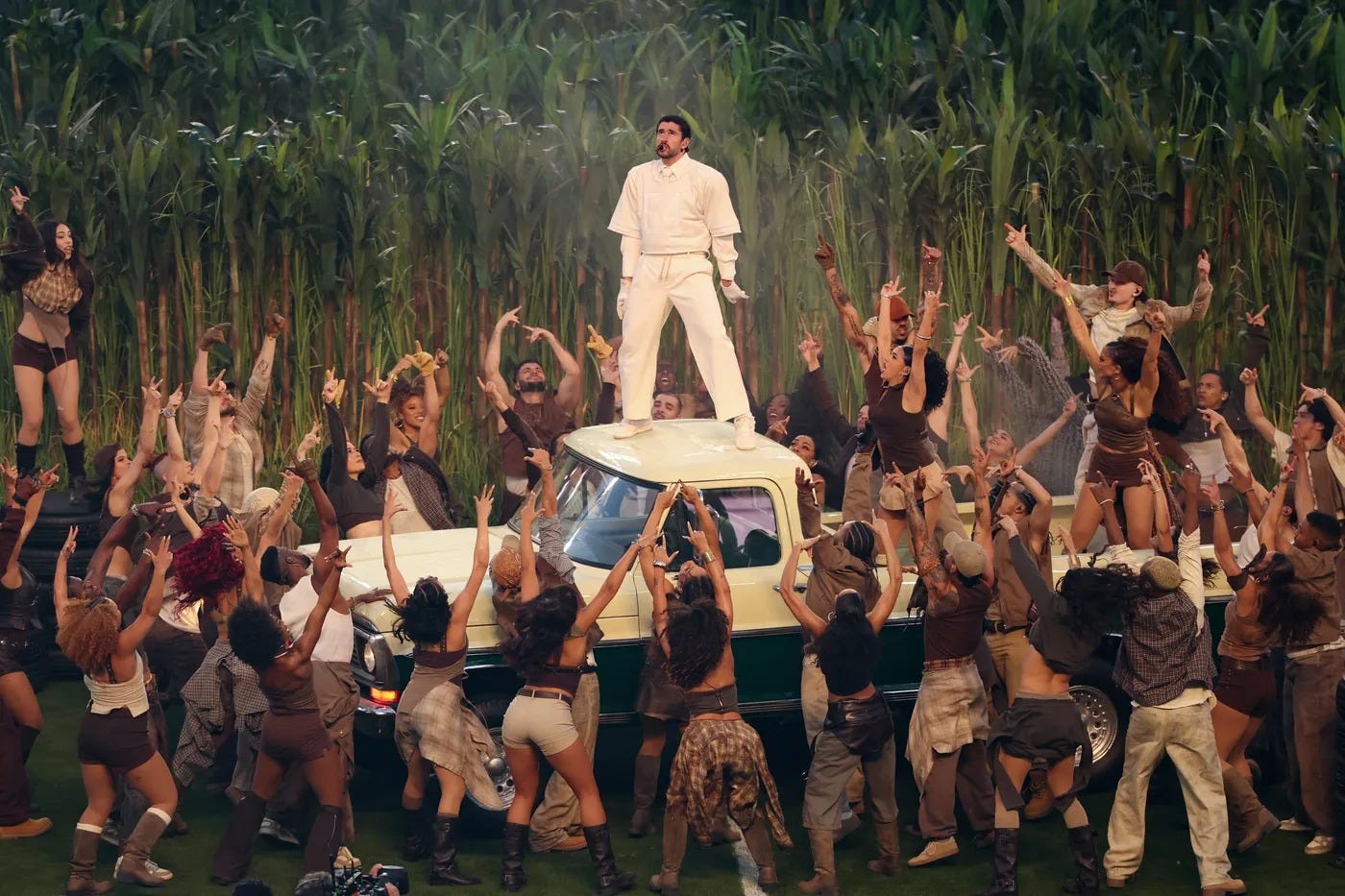
Photo: Patrick T. Fallon/AFP via Getty Images
Bad Bunny’s Super Bowl set features a plantation‑like field of cane and brush. This halftime spectacle drags the Caribbean’s history of chattel slavery and U.S. colonialism onto the largest sporting stage—the grasses carrying their own code—Puerto Rican and Latin American landscapes, Florida detention camps. The gesticulating figures surround a work vehicle, even echoing migrant workers hunted by ICE. So the show reads as both a pop triumph and a land memory, a performance built on ground that won’t stop talking.
The Neighbors
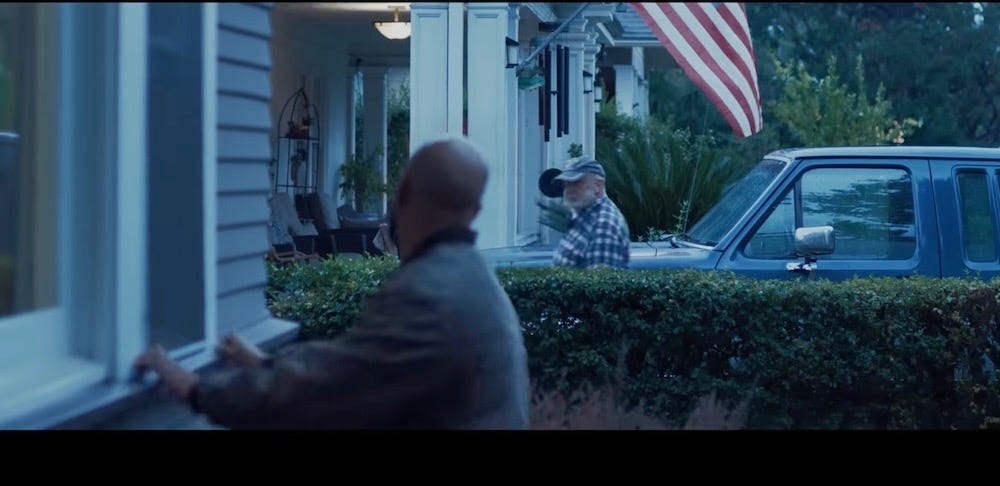
Rocket Mortgage and Redfin’s Super Bowl LX commercial “America Needs Neighbors Like You,” a quietly emotional spot about two young girls in neighboring homes, pivoting off a darker cultural allusion
The Super Bowl ads did their usual work: sanding the edges off catastrophe to make it feel market‑ready. Don’t let racism, political polarization, and climate collapse ruin your Sunday—Rocket Mortgage and friends are here to help you finance around it. (Video)
Ringing Losses
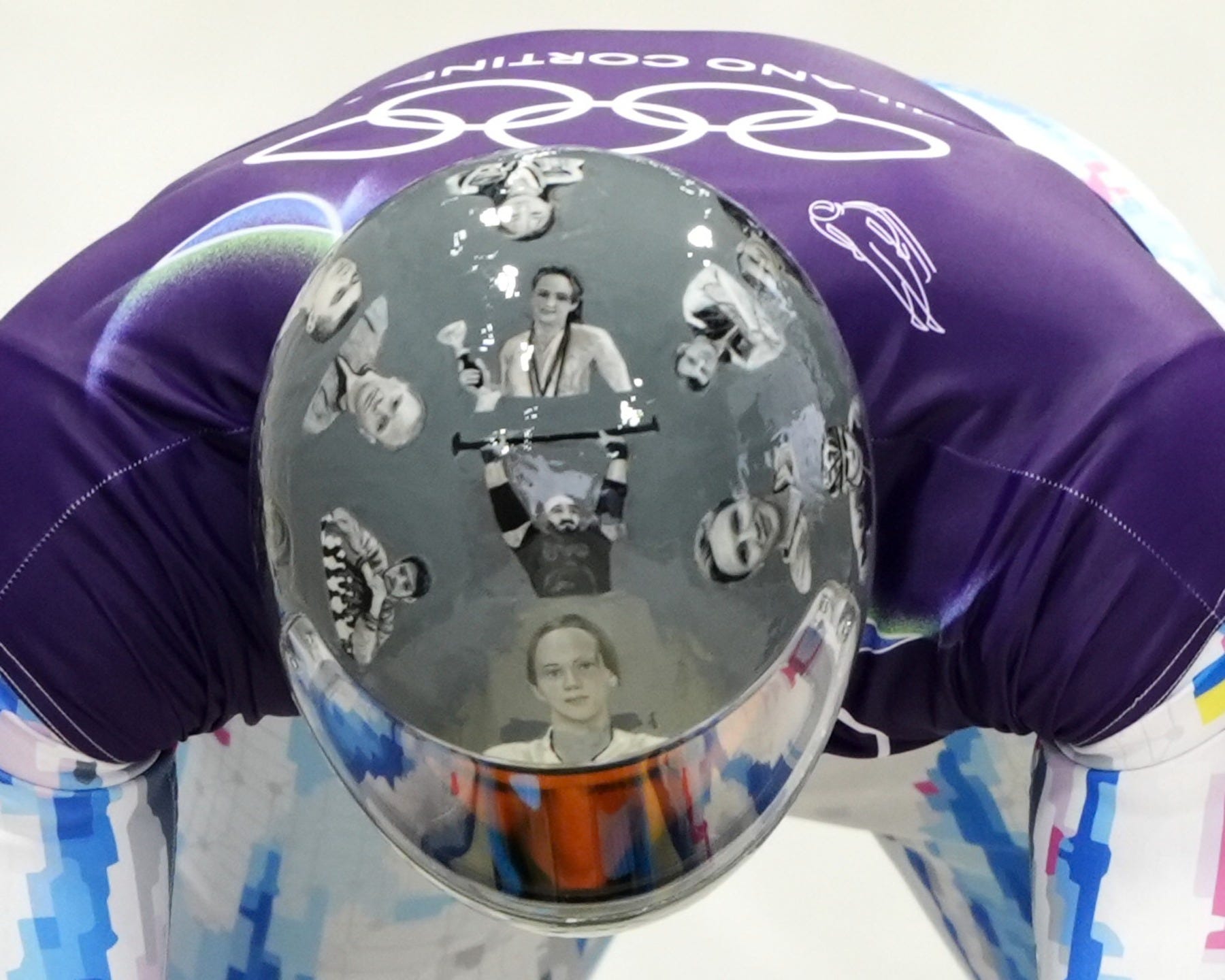
Ukraine’s Vladyslav Heraskevych is wearing a helmet that features pictures of people killed in the war with Russia. Photo: Andrew Milligan/PA
Meanwhile, in the most achingly rounded medley of faces and rings, Andrew Milligan‘s image from the Winter Games showcases how Ukraine’s Vladyslav Heraskevych turns his helmet into a portable memorial, layering the faces of people killed in Russia’s war over the gear that’s supposed to be purely national branding.
It’s a quiet refusal of the usual Olympic neutrality: if you want the spectacle, you have to look the dead in the eye on the way down the run—and this week, he was disqualified for keeping faith with them.
Follow us on Instagram (@readingthepictures) and Twitter (@readingthepix), and subscribe to our newsletter.
Topic
A curated collection of pieces related to our most-popular subject matter.

Reactions
Comments Powered by Disqus